Water entering a commercial, institutional, hospitality, healthcare, residential, or industrial facility may require treatment before it is suitable for its intended application. A WTP Water Treatment Plant is designed to improve specific water-quality parameters through a combination of treatment processes.
The important question is not simply whether a facility needs water treatment. It is what quality of water the facility receives and what quality it actually requires.
Raw Water Quality Determines the Process
Water characteristics can vary significantly according to source.
Borewell water, municipal supply, surface water, and other sources may contain different levels of hardness, suspended matter, dissolved minerals, iron, turbidity, or other constituents.
This means there is no universal WTP configuration suitable for every property.
A proper water analysis should normally come before treatment selection.
Common Stages in Water Treatment
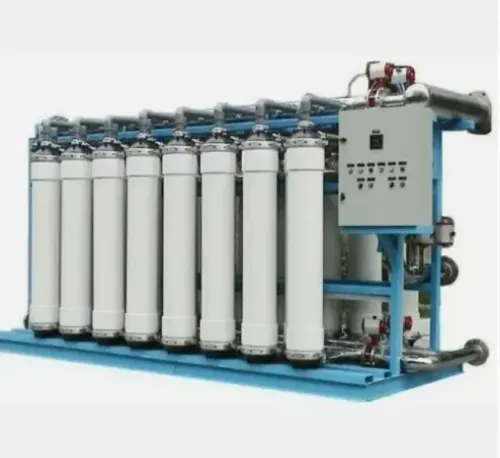
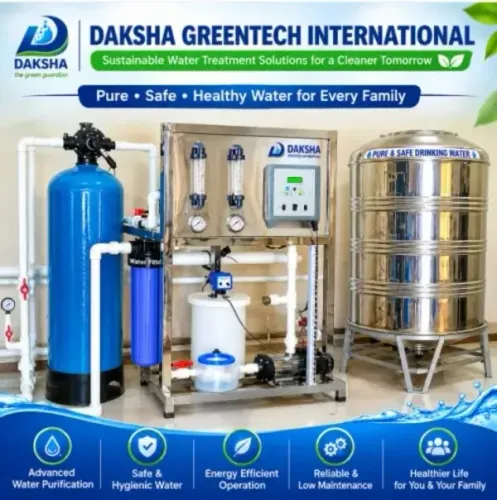
Depending on the source and required output quality, a treatment system may use processes such as:
- Screening
- Clarification
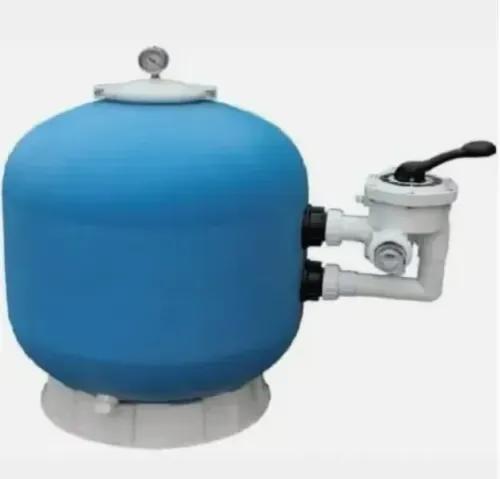
- Pressure filtration
- Activated carbon filtration
- Softening
- Micron filtration
- Disinfection
- Membrane treatment
Not every application needs every stage.
For example, a facility dealing mainly with suspended impurities may require a different process from one experiencing high hardness or dissolved solids.
Treatment Should Match the End Use
Water used for landscaping does not necessarily require the same quality as water used for a sensitive industrial process.
Hotels may have requirements associated with guest facilities, laundry, kitchens, cooling systems, and general utilities. Hospitals and institutions may have additional operational needs. Industries may require specific water characteristics for boilers, cooling systems, washing, production, or process applications.
Defining the end use prevents unnecessary treatment while ensuring important parameters are properly addressed.
Why Bangalore Facilities Need Site-Specific Assessment
Water sources and building requirements can differ across Bangalore. Even neighbouring facilities may face different challenges because their water source, storage conditions, consumption patterns, and end-use requirements are not identical.
A useful assessment should therefore consider both laboratory analysis and practical site conditions.
Operating Cost Deserves Attention
Initial equipment cost is only one part of a WTP decision.
Facility managers should also consider:
- Electricity consumption
- Chemical requirements
- Filter-media replacement
- Backwashing requirements
- Maintenance frequency
- Operator involvement
- Consumables
- Wastewater generated during treatment
These factors influence the real lifecycle cost of the system.
Daksha Greentech works with organizations in Bangalore requiring water and wastewater treatment solutions suited to site conditions and operational requirements.
A well-planned WTP begins with a simple principle: understand the incoming water, define the required output, and then select treatment stages capable of bridging that gap efficiently.
Keywords