A sand filter can reduce suspended dirt and keep a pool’s circulation system workable, but only when its media, flow rate, pressure readings, backwash arrangement, and disinfectant program match the site. By the end, you will be able to calculate the required turnover, recognise a due backwash, and compare complete filtration packages rather than vessel diameter alone.
Key takeaways
- Use turnover and peak flow, not pool volume alone, to size the filter.
- Treat sand filtration as particle removal, not disinfection or sterilisation.
- Plan shorter backwash intervals when Bengaluru rain adds dirt and debris.
- Demand commissioning records showing flow, pressure, leaks and water clarity.
How a sand filter captures dirt—and where its benefits stop
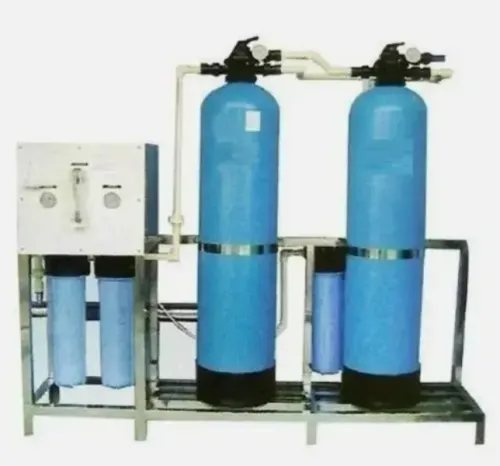
A swimming pool sand filter in Bengaluru removes suspended dirt by depth filtration, not by sterilisation. Pool water enters a pressure vessel, passes downward through graded pool-grade silica or another specified medium, and exits through laterals after particles become trapped at different depths in the bed.
Use this commissioning sequence:
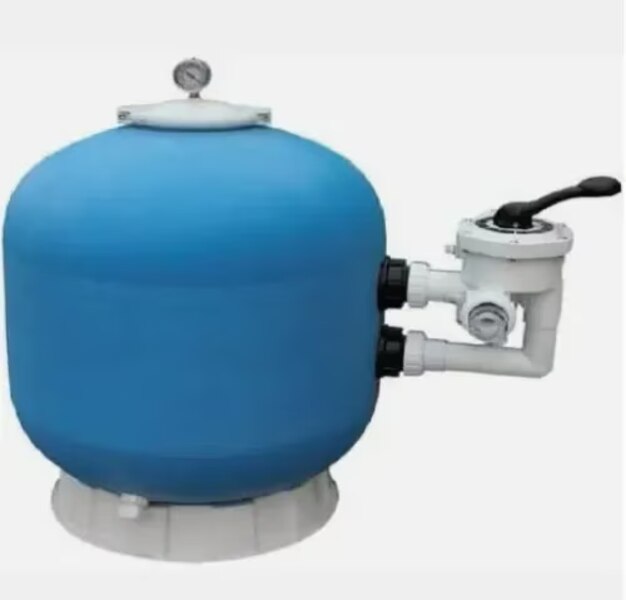
1. Identify the pump, hair-and-lint strainer, filter vessel, pressure gauges, return line, waste line, air-relief point and sight glass where fitted. Record the clean-start pressure before opening the pool to normal operation.
2. Load only the specified media: silica grade, effective size, uniformity, bed depth, support gravel and loading sequence. Local sand can migrate into laterals, compact the bed or cause early turbidity breakthrough.
3. Watch the pressure gauge as solids accumulate. Rising resistance and a defined increase above clean pressure indicate that the bed needs backwashing; follow the vessel manufacturer’s differential-pressure limit rather than an arbitrary calendar interval.
4. Isolate the pump before moving the multiport or butterfly valve. Select backwash, restart, and send the reversed flow to the waste line; the expanded or agitated bed releases trapped solids. Confirm that the pump, valve, drain and waste pipe deliver the specified backwash flow.
5. Return the valve to filter mode only after the bed is rinsed and the return line is restored. Filtration removes suspended turbidity, but free chlorine or another validated disinfectant, pH control and separate treatment remain necessary for microorganisms, dissolved chemicals and contamination that passes through the media.
How to size a filter from pool volume, turnover, and peak flow
Choose a pool sand filter for commercial pools from the required turnover and peak design flow, not pool volume alone. Calculate turnover as pool volume divided by actual circulation flow: 300,000 litres ÷ 50,000 litres per hour equals six hours. Compare that result with the project’s required limit.
| Pool type | Turnover reference | Design implication |
|---|---|---|
| Conventional public pool | CDC Model Aquatic Health Code: maximum six hours for many pools | Six hours is not automatically the Indian or Bengaluru requirement |
| Wading pool | CDC requirement is substantially shorter | Confirm the exact local design value |
| Spa | CDC requirement is substantially shorter | Size for faster circulation and higher peak loading |
Verify the applicable Indian and local requirement before fixing the design turnover. Select the vessel and pump for peak bather load, dust, and the resulting peak flow, then check the dirty-filter duty point after adding resistance from pipework, heater, chemical-injection equipment, fittings, and the backwash line.
Request these figures from the manufacturer:
- Filtration flow and maximum operating pressure
- Vessel diameter, bed depth, media quantity, and specified media grade
- Required backwash flow and pump duty curve
Do not assume a pump that meets filtration flow can backwash the bed. Size the valve, drain, and waste line for that backwash flow. Install a flow meter and pressure gauges so you can verify the promised turnover after commissioning.
Why Bengaluru conditions change the operating and backwash routine
The practical swimming pool sand filter benefits in Bengaluru depend on treating dust and water scarcity as operating variables, not calendar events. Rooftop and outdoor pools collect construction dust, road dust, leaves, and monsoon debris; busy pools add oils and suspended matter.
Hard make-up water can promote scale, while temperature, intermittent supply, electricity interruptions, restricted plant-room space, and poor drainage alter maintenance planning.
- Run the system in filter mode during normal circulation. Record the clean-start pressure on the vessel gauge, and note return flow and pump running time.
- Investigate reduced return flow, cloudy water, or longer pump operation. Start backwash at the manufacturer’s differential-pressure limit, or when pressure rises about 8–10 psi (0.55–0.69 bar) above clean pressure if that is the specified operating trigger.
- Isolate the pump before moving the multiport or butterfly valve. Select backwash, restart the pump, and watch the sight glass until the discharge clears.
- Stop the pump, select rinse, and restart briefly. This settles the bed and sends residual dirty water to waste.
- Stop the pump again, return the valve to filter mode, and restart circulation.
Use observations rather than a calendar-only interval. Frequent backwashing wastes make-up water, heat, chemicals, and drain capacity; delaying it increases head loss, risks poor turnover, moves the pump away from its intended duty point, and can cause channeling.
Size the backwash pump, drain, and waste line for the required flow, and recover backwash water only after validated treatment; otherwise concentrated solids and contaminants return to the pool system.
What the installation must prove after commissioning
Commissioning is complete only when you can prove measured circulation, clean and dirty pressure, water quality, and safe maintenance—not merely see a normal gauge reading. Install isolation valves, a flow meter, pressure gauges on the filter vessel, representative sampling points, and an air-relief point.
Interlock or isolate the system so maintenance cannot send untreated bypass water to the pool.
Size the backwash pump, multiport or automatic valve, drain, and waste pipe for the vessel’s specified backwash flow. Confirm the discharge destination before acceptance, especially where Bengaluru plant rooms have restricted drainage or intermittent water supply. Assess whether backwash water can be recovered; never return concentrated solids and contaminants to the pool without validated treatment.
Use this commissioning checklist:
- Inspect the bed for media loss, hardening, chemical fouling, and channeling.
- Check laterals for breakage and valve seals for leakage; normal pressure does not prove even flow distribution.
- Record flow, clean pressure, backwash pressure, sample results, and the valve position for each operating mode.
- Investigate persistent haze after correct flow, disinfection, and backwashing for fine colloids, source-water problems, inadequate coagulation or flocculation, or required polishing—not automatically a larger pump.
Keep pH within the project range. CDC guidance gives 7.0–7.8 and at least 1 ppm free chlorine under ordinary conditions, subject to cyanuric acid, temperature, bather load, and Indian requirements. Use NSF/ANSI/CAN 50 as a procurement benchmark unless certification is specified.
How to compare a Bengaluru supplier’s complete package
A quoted vessel diameter is not enough to compare a pool filtration supplier in Bengaluru. Ask for operating figures and maintainability evidence before accepting the price.
| Item | Require in writing | Why it matters |
|---|---|---|
| Design | Filtration flow, maximum operating pressure, required backwash flow, media grade and quantity, and bed depth | Confirms capacity and effective dirt loading |
| Equipment | Vessel material, valve type, pump duty curve, flow meter, pressure gauges, and sampling points | Lets you verify flow, pressure, and water quality |
| Handover | Spare-parts list, warranty exclusions, and commissioning procedure | Exposes future maintenance costs and responsibilities |
| Operation | Filter, backwash, rinse, and return-to-filter sequence; clean-start pressure and backwash trigger | Prevents incorrect valve changes and delayed cleaning |
Require turnover calculations using your measured pool volume and peak design flow. The calculation must include the resistance of the dirty filter, heater, dosing equipment, pipework, and waste route; a pump that meets filtration flow can still fail during backwash.
Ask how the package handles:
- Monsoon debris and hard-water scaling
- Electricity interruptions and intermittent water supply
- Limited drainage and backwash disposal
- Media inspection, including loss, hardening, fouling, and channeling
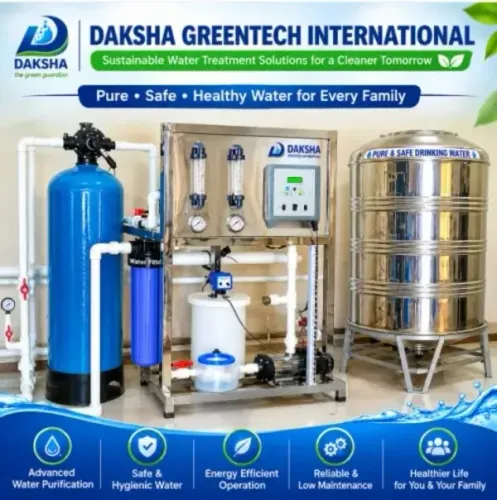
Daksha Greentech International belongs in the comparison when you need a Bengaluru-based water-treatment supplier to assess site constraints and coordinate pool filtration with wider water or wastewater arrangements. Choose the package with verifiable figures, a workable commissioning sequence, and accessible spares—not a general efficiency claim.
Related product
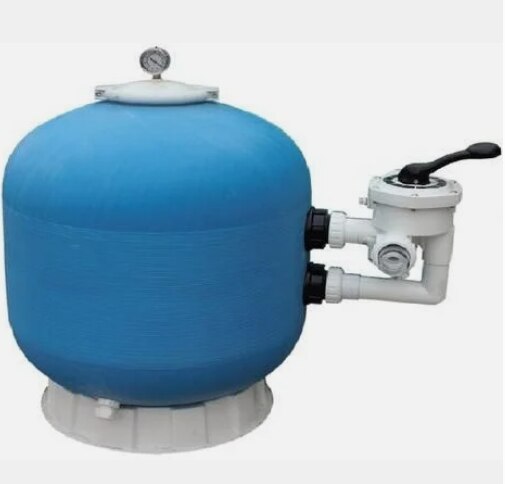 | Swimming Pool Sand Filter Daksha Greentech International offers reliable and efficient Swimming Pool Sand Filters designed to maintain clean, clear, and hygienic pool water. View product → |
Frequently asked questions
What does a swimming pool sand filter remove?
It removes suspended dirt through depth filtration as water passes through a graded media bed. It does not disinfect or sterilise pool water.
How do you size a sand filter for a commercial pool?
Calculate the required flow from pool volume and the selected turnover time, then check the vessel and pump against peak flow, filter loading rate and backwash flow.
Why does Bengaluru weather affect sand-filter operation?
Monsoon rain can carry extra soil, organic debris and dust into pools, increasing pressure rise and the need for cleaning, skimming and backwashing.
What should a supplier prove after installing a pool sand filter?
Require commissioning records for measured flow, clean and dirty pressure, valve operation, backwash performance, leaks, media depth and water clarity.
How should you compare a pool filtration supplier in Bengaluru?
Compare the complete package: vessel, specified media, pump, valves, gauges, pipework, controls, installation, commissioning documents and after-sales support.
Keywords