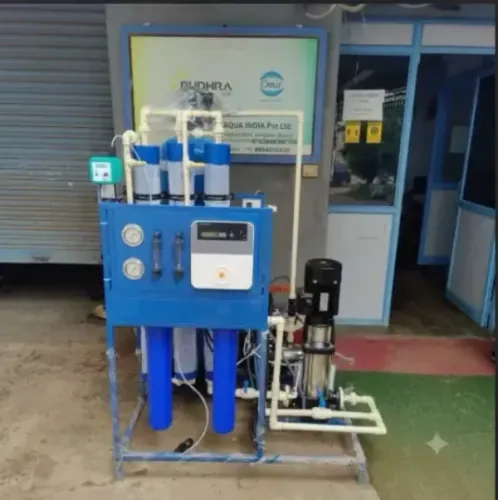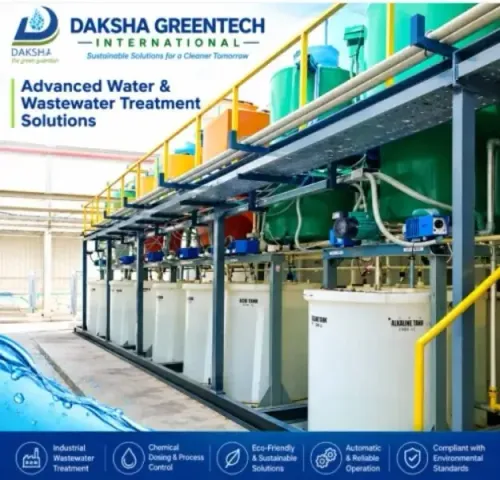
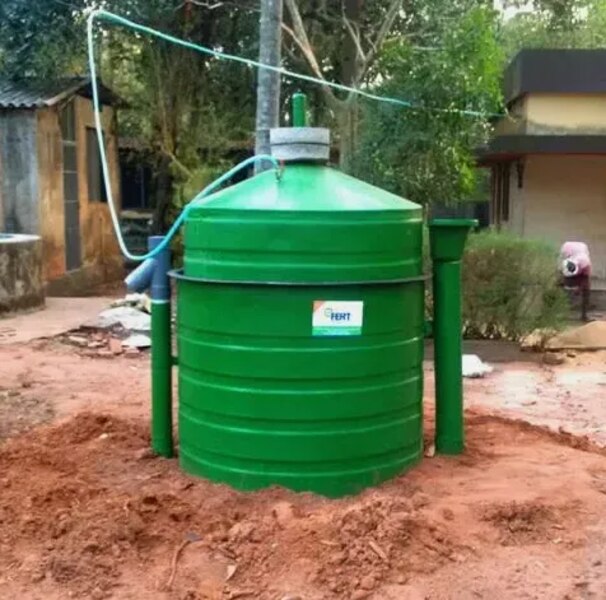
The correct choice starts with the waste stream, not the equipment label: food waste and concentrated organic solids behave very differently from toilet wastewater, greywater and industrial effluent. By the end, you will be able to screen your facility, compare treatment routes, estimate the cost categories that belong in a quotation, and identify when a hybrid system is the safer choice.
Key takeaways
- Match anaerobic digestion to organic feedstock, not ordinary sewage alone.
- Test pH, solids, moisture, contaminants and daily flow before requesting designs.
- Compare gas yield and digestate with treated-water quality and discharge compliance.
- Demand itemised Bengaluru costs for civil works, power, operation and maintenance.
Start with the waste stream, not the plant name
Food waste, cattle dung, market waste and source-separated wet waste favour anaerobic digestion; blackwater, greywater and ordinary domestic sewage usually require an STP. That is the practical starting point for choosing a biogas plant or conventional wastewater treatment in Bengaluru.
| Waste stream | Best initial route | Reason |
|---|---|---|
| Food, market and source-separated wet waste | Anaerobic digester | Biodegradable solids can provide measurable volatile-solids loading |
| Cattle dung | Anaerobic digester | Consistent organic feedstock produces biogas and digestate |
| Sludge | Digestion or dewatering, after testing | Gas yield and contamination depend on sludge composition |
| Blackwater, greywater and domestic sewage | STP | Dilute flow produces less gas per reactor volume and needs liquid treatment |
| Industrial effluent | ETP, sometimes with anaerobic pretreatment | COD, colour, salinity, metals and toxicity determine the process |
A biogas plant for facilities makes biogas and digestate; it does not reliably remove pathogens, suspended solids, nutrients, colour or dissolved pollutants to a discharge or reuse standard. Plan clarification, filtration, disinfection and lawful digestate handling where the outlet requires them.
Do not mix dilute sewage with cleaning chemicals, disinfectants or contaminated mixed waste. The combination lowers organic loading or inhibits the digester biology, while plastics and grit create screening and disposal problems.
For many Bengaluru sites, the strongest answer is a hybrid: send clean wet waste to a digester, toilets, kitchens and bathing wastewater to an STP, and process effluent to an ETP. Choose digestion when consistent organic solids and a gas user exist; choose conventional treatment for domestic sewage.
Screen the feedstock and Bengaluru site before requesting a design
A design request is premature until you can show both the waste strength and the site’s operating limits. Use this screening procedure:
1. Weigh wet organic feedstock each day in kg or tonnes, then test total solids, volatile solids and carbon-to-nitrogen balance. Record plastic, grit, chemicals and disinfectants, plus the hours and days when deliveries arrive. Irregular or contaminated feedstock undermines digester performance.
2. Measure sewage average and peak flow in KLD. Laboratory results should cover BOD, COD, TSS, ammonia, total nitrogen, phosphate, faecal coliform and pH where relevant. A nominal KLD figure cannot size a biogas system or guarantee sewage treatment.
3. Before selecting an ETP, obtain laboratory results for industrial effluent: pH, COD, BOD, TSS, oil and grease, colour, salinity, heavy metals and toxicity. These results determine whether biological, chemical, membrane or combined treatment is appropriate.
4. Survey the Bengaluru site for limited urban space, monsoon drainage and flood routing, odour-control zones, temperature management, water scarcity, tanker dependence and electricity reliability. State whether treated water will serve flushing, gardening, cooling or process use.
5. Mark locations for screens, equalisation tanks, digesters, gas storage, sludge or digestate handling, chemical storage, tanker access and emergency overflow routes. Check safe separation from occupied areas and drainage lines.
Approve anaerobic digestion only when clean, consistent biodegradable solids have measured volatile-solids or COD loading and a gas user exists. Choose aerobic sewage treatment for dilute domestic wastewater; choose both when source-separated organic waste and sewage or industrial effluent arise on the same site.
Compare outputs, operating demands and failure risks
A useful biogas treatment system comparison starts with the feed, not the equipment label. Anaerobic digestion suits concentrated biodegradable solids, uses less aeration energy and produces gas; domestic sewage usually needs aerobic treatment for predictable BOD and suspended-solids reduction.
| Option | Feedstock and output | Footprint and energy | Attention, sludge, effluent and reuse |
|---|---|---|---|
| Anaerobic digester | Food waste, cattle dung or concentrated organic solids; biogas and digestate | Large receiving, digester and gas-storage areas; low aeration energy | Requires feed preparation, odour control, gas-safety equipment and digestate handling. Post-treatment is needed for pathogens, solids, nutrients and reuse. |
| Conventional aerobic STP | Domestic sewage; clarified, disinfected effluent | Moderate footprint; continuous blower energy | Predictable BOD and suspended-solids reduction; produces waste sludge. Reuse depends on outlet testing and disinfection. |
| SBR | Domestic sewage; treated batch effluent | Compact; intermittent aeration | Fill, react, settle and decant cycles must be timed correctly. Cycle failure damages settling and reuse quality. |
| MBBR | Domestic sewage; aerobic biological effluent | Compact tanks with carrier media; continuous aeration | Usually predictable for BOD and solids; inspect media retention, blowers and sludge wasting. |
| MBR | Domestic sewage or selected industrial wastewater; low-solids permeate | Small footprint; highest energy and lifecycle burden | Membrane fouling, backwash and replacement costs; strong solids separation and high reuse potential. |
| ETP | Industrial effluent; chemistry-specific treated water | Depends on equalisation, chemicals and process stages | Design for pH, COD, metals, colour, oil or salinity—not generic sewage. Sludge needs testing and lawful disposal. |
| Septic tank or soak pit | Limited domestic blackwater; settled liquid or infiltration | Low equipment energy; soil-dependent footprint | Requires desludging, suitable groundwater separation and local permission; not a universal urban treatment plant. |
Judge guaranteed outlet values and reuse suitability, not “tertiary treated” labels. A wastewater treatment plant in Bengaluru often combines digestion for source-separated organics with an STP or ETP for wastewater.
Break down biogas plant cost in Bengaluru before comparing quotations
A quotation for biogas plant cost in Bengaluru is incomplete if it gives one total without showing what that total buys. Ask for separate capital cost, annual operating cost, replacement parts, exclusions and taxes; a food-waste digester and sewage STP are not comparable because their pre-treatment, civil works and loading differ.
Request these capital-cost line items:
- Civil foundations and containment; receiving and segregation; shredding or maceration; feed preparation; pumps; digester volume; gas-holder size; mixing; desulphurisation; moisture removal; gas storage; pressure regulation; flare; generator or boiler; instrumentation; electrical panels; automation; odour control; digestate dewatering; installation; commissioning; operator training; taxes.
- Design feedstock, daily wet-tonnage, total-solids and volatile-solids loading, retention time, expected gas volume, gas quality, gas-use equipment and included civil scope.
- Annual electricity, labour, chemicals, testing, maintenance and residue-disposal costs.
- Replacement interval and price basis for pumps, membranes where applicable, gas-cleaning media and other consumables.
A plant is not zero-sludge: screening rejects, grit, excess biomass, dewatered digestate and contaminated residue still cost money to manage. Compare suppliers on the same functional basis, with performance guarantees shown separately.
| Basis | Use |
|---|---|
| INR per kg of organic waste treated | Biogas plant |
| INR per cubic metre per day of sewage capacity | STP |
Daksha Greentech International belongs on a shortlist only after it answers this schedule; compare scope, guarantees and lifecycle cost, not brand familiarity or nominal capacity.
Related products
 | Biogas Plant A Biogas Plant is an efficient renewable energy solution designed to convert organic waste into useful biogas through anaerobic digestion. View product → |
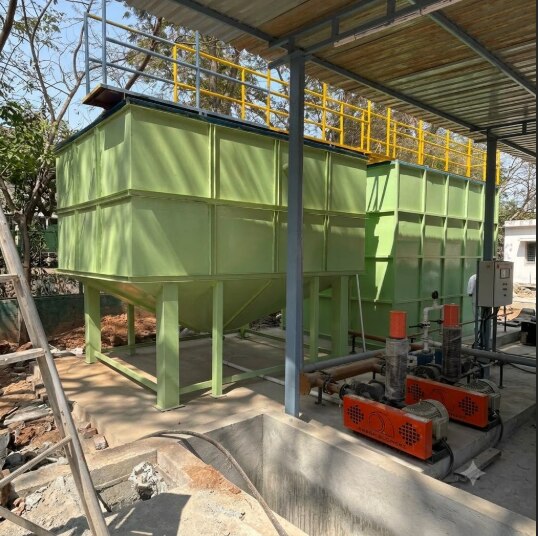 | Wastewater Treatment Plant DAKSHA GREENTECH INTERNATIONAL designs and supplies wastewater treatment solutions with a focus on efficient operation, durability, easy maintenance,... View product → |
Choose the route that can operate legally and reliably for years
Approve the system against the route your facility will actually use, not a supplier’s “tertiary-treated” label. The contract must guarantee outlet values at minimum, average and peak flow or loading, identify each sampling point, name the test method, and state commissioning pass criteria.
| Route | Parameters to specify |
|---|---|
| Reuse | BOD, COD, TSS, ammonia, total nitrogen, phosphate, faecal coliform and residual chlorine, according to flushing, gardening, cooling or process use |
| Discharge to sewer | BOD, COD, TSS, pH and any BWSSB limits; add ammonia, nutrients or other limits required by the connection approval |
| Land or receiving environment | BOD, COD, TSS, ammonia, total nitrogen, phosphate, faecal coliform and residual chlorine where the consent or reuse protection requires them |
Before approval, require:
- A commissioning test using representative minimum and peak loads, with laboratory reports, flow records and calibrated instruments.
- Named operator duties for daily inspection, sludge or digestate removal, chemical dosing, gas safety, alarms, sampling and log retention.
- A remedy clause: corrective work, retesting, replacement or payment for compliant off-site treatment when guaranteed values fail.
- KSPCB consent under the Water (Prevention and Control of Pollution) Act; installing an STP or digester does not authorise discharge.
- BWSSB confirmation of sewer connection, approval, charges, reuse obligations and any on-site STP requirement.
- Under the Solid Waste Management Rules, 2016, segregation, plastic and grit rejection, contamination records and lawful digestate or sludge handling.
Select digestion for clean organic solids and a dependable gas user; aerobic treatment for domestic sewage; an ETP for industrial chemistry; and a hybrid for wet organic waste plus wastewater.
Frequently asked questions
Should a Bengaluru facility choose a biogas plant or an STP?
Choose anaerobic digestion for suitable source-separated organic waste such as food waste, cattle dung or market waste. Choose an STP for blackwater, greywater and ordinary domestic sewage.
What should you test before requesting a biogas plant or wastewater treatment design?
Record daily quantity, moisture, pH, total solids, volatile solids, contaminants, wastewater flow and peak variation. Also check available land, vehicle access, power, water and discharge or reuse requirements.
What should a biogas plant cost comparison in Bengaluru include?
Compare the digester, feed preparation, gas cleaning and storage, civil works, electrical systems, digestate handling, installation, commissioning, operator time, maintenance and energy use.
What are the main failure risks when comparing biogas and conventional wastewater treatment?
Biogas systems suffer when feedstock is contaminated, diluted, inconsistent or overloaded. STPs suffer when hydraulic loads, toxic chemicals, aeration demand, sludge handling or operator practices exceed the design.
Related products
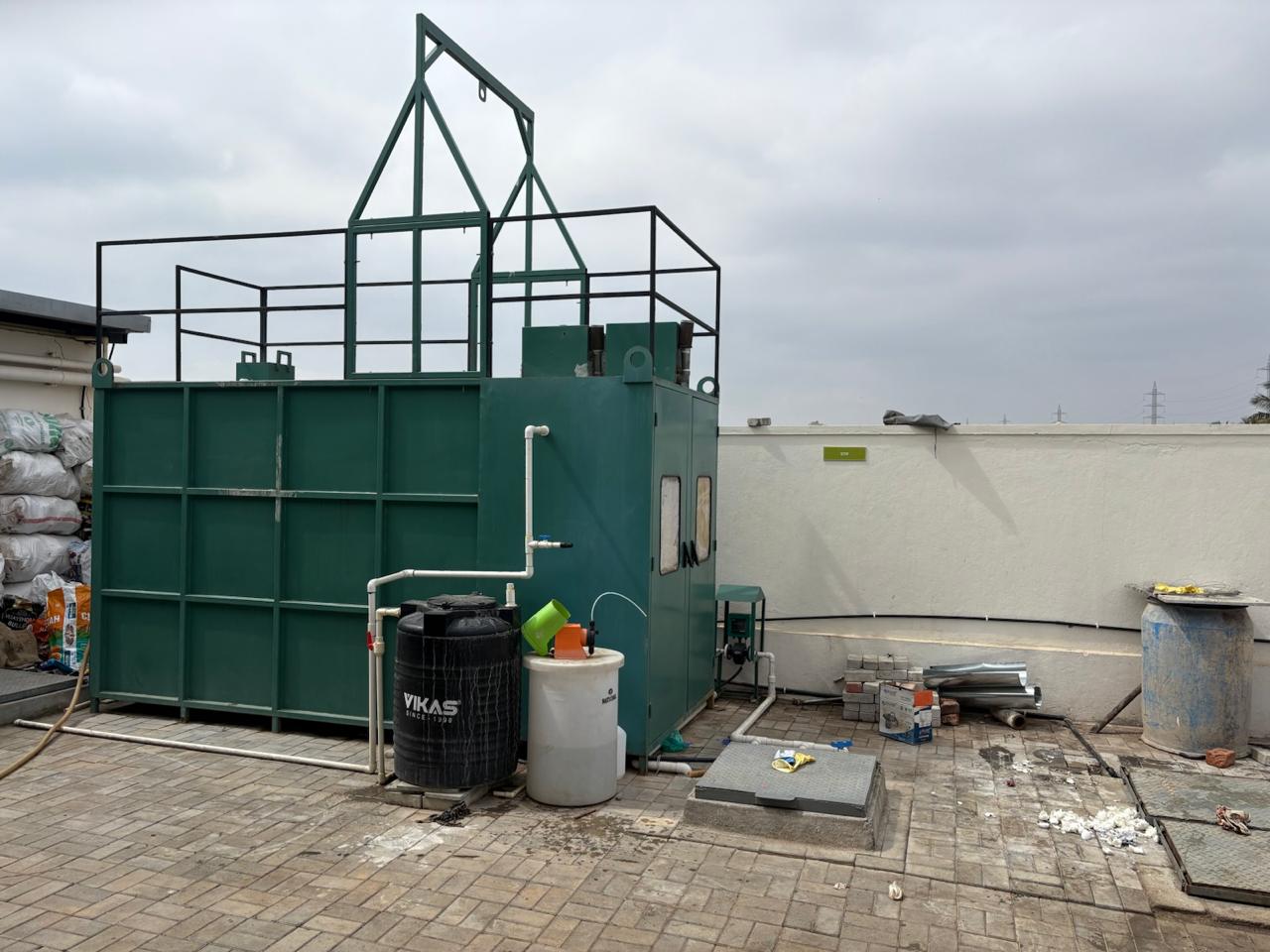 | MBR Sewage Treatment Plant The MBR Sewage Treatment Plant (Membrane Bioreactor) is an advanced wastewater treatment system designed to efficiently treat domestic and municipal... View product → |
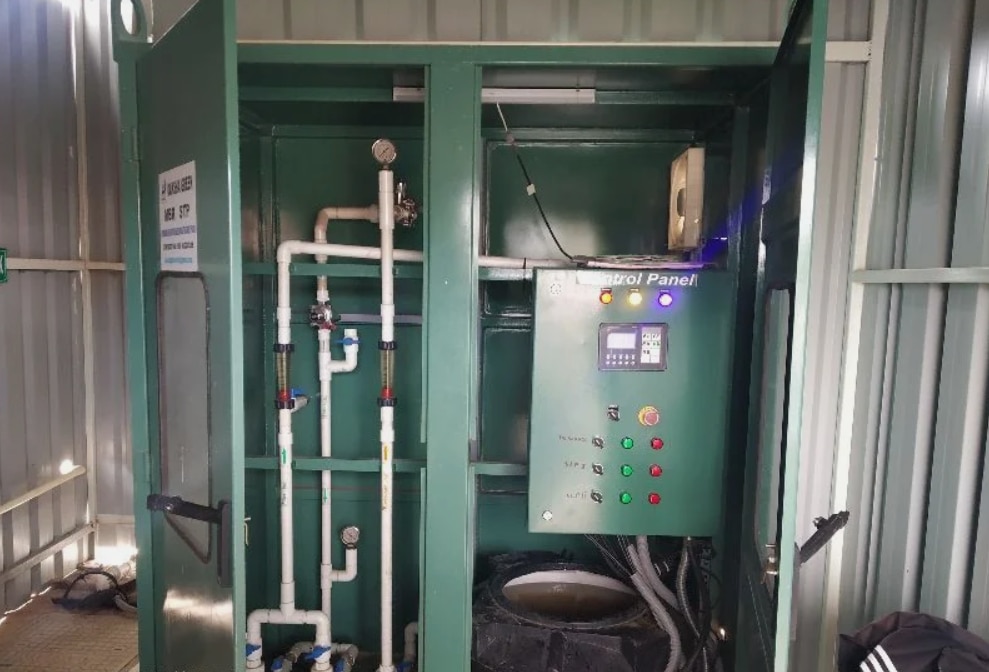 | 25 KLD MBR Sewage Treatment Plant 25 KLD MBR Sewage Treatment Plant DAKSHA GREENTECH INTERNATIONAL offers a highly efficient 25 KLD MBR (Membrane Bioreactor) Sewage Treatment Plant designed to provide advanced and... View product → |
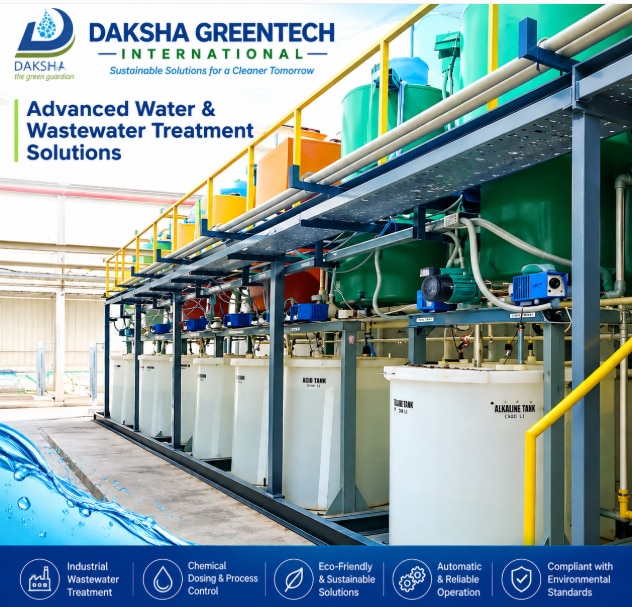 | Effluent Treatment Plant The Effluent Treatment Plant (ETP) is an advanced wastewater treatment solution designed to treat industrial effluents and reduce unwanted... View product → |
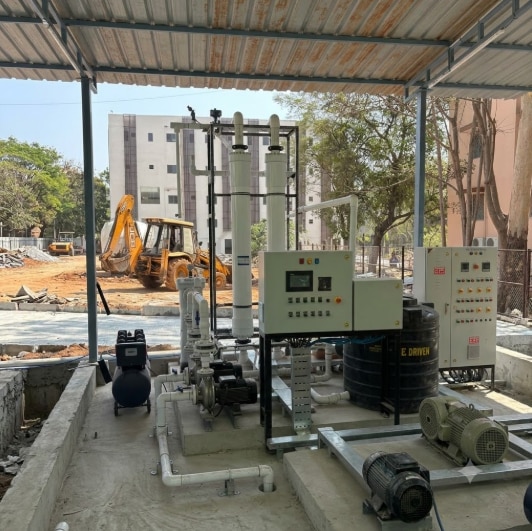 | Domestic sewage treatment plant Domestic sewage treatment plant DAKSHA GREENTECH INTERNATIONAL is a trusted Manufacturer, Supplier, and Trader of Domestic Sewage Treatment Plants in India, providing efficient and... View product → |
Keywords