

Limited installation space and increasing interest in wastewater reuse have made compact treatment technologies important for many properties. An MBR Membrane Bioreactor combines biological wastewater treatment with membrane separation to produce a high-quality treated effluent.
For certain Bangalore facilities, this combination can be attractive where space efficiency and treated-water quality are significant priorities.
How MBR Combines Two Processes
Conventional biological treatment typically relies on clarification to separate biomass from treated water.
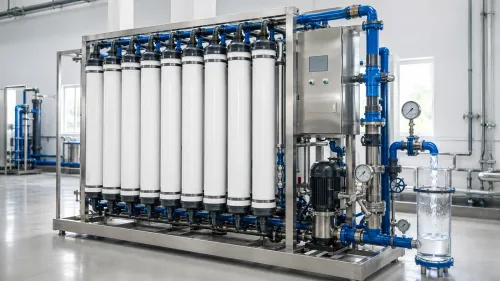
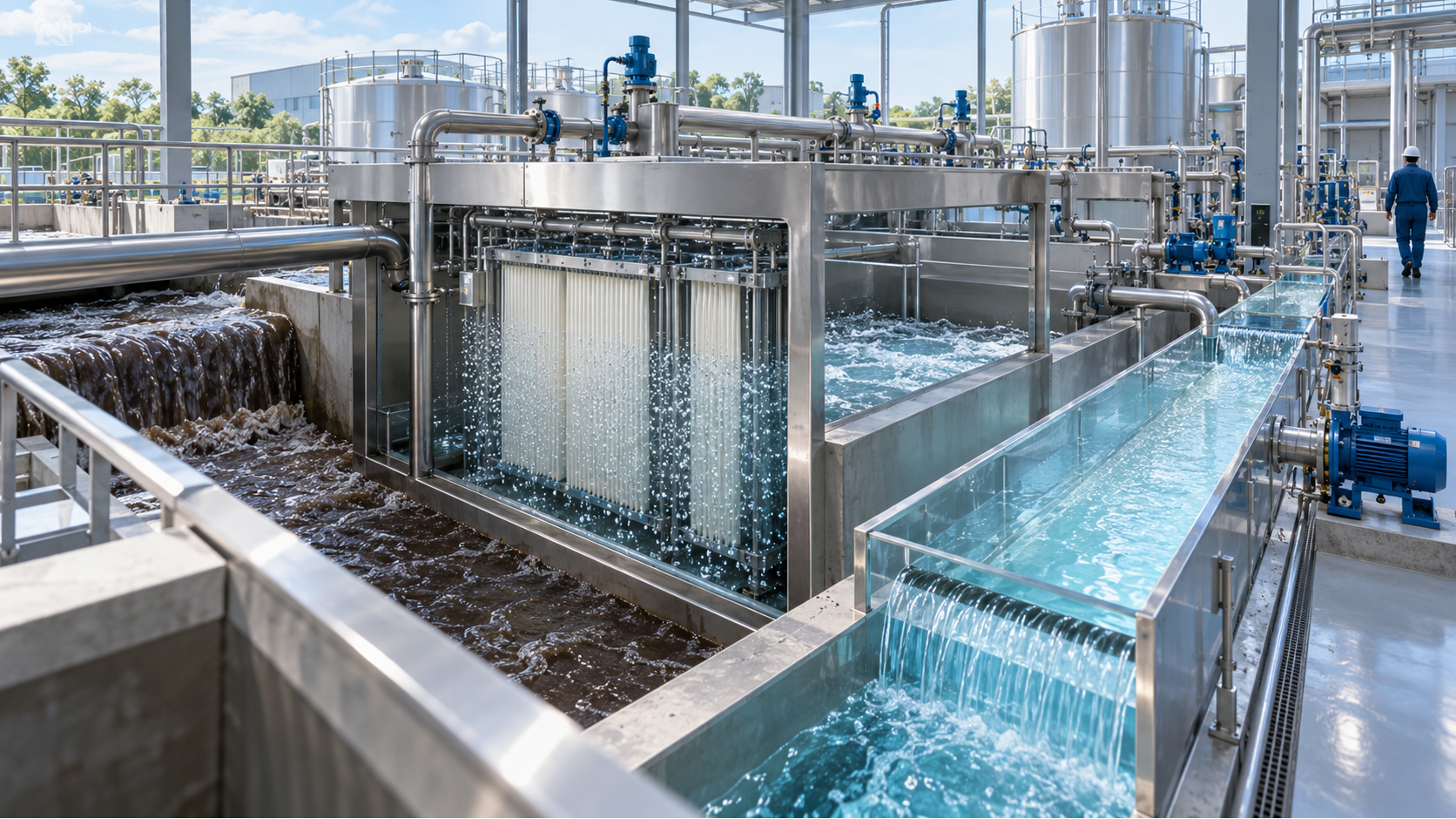
MBR uses membranes as the separation barrier.
Microorganisms first break down biodegradable organic matter in the biological process. Membranes then separate treated water from suspended solids and biomass.
This creates a different treatment configuration from systems relying solely on gravity settling.
Why Facilities Consider MBR
An MBR system may be evaluated where users want:
- High-quality treated effluent
- Compact plant layout
- Reduced dependence on conventional secondary clarification
- Low suspended solids in membrane-treated effluent
- Water suitable for further polishing or appropriate reuse
These advantages can be particularly relevant for developments where available plant-room space is limited.
The Trade-Off Is Operational Discipline
Higher treatment capability generally comes with greater attention to membrane operation.
Operators must manage:
- Membrane fouling
- Aeration
- Transmembrane pressure
- Cleaning cycles
- Sludge conditions
- Screening
- Feed-water fluctuations
- Membrane maintenance
Ignoring these factors can increase operating costs or reduce plant performance.
MBR Compared With Conventional Biological Treatment
A conventional system may have lower membrane-related maintenance requirements, but it can require more space for clarification and subsequent polishing.
MBR can provide a compact alternative with effective solids separation, although equipment, energy, controls, and membrane maintenance need to be considered.
Neither option is automatically superior.
The correct choice depends on wastewater characteristics, space constraints, treated-water requirements, capital budget, operating resources, and long-term reuse objectives.
Where Does MBR Fit Best?
Hotels, hospitals, large residential developments, institutions, commercial facilities, and selected industrial applications may evaluate MBR where treated wastewater is intended for appropriate non-potable reuse.
In a city such as Bangalore, the potential to recover wastewater can make treatment quality an important consideration in overall water planning.
Evaluate Lifecycle Requirements
Daksha Greentech works with organizations assessing wastewater treatment technologies according to site conditions and performance objectives.
Before choosing MBR, decision-makers should look beyond initial equipment specifications. Membrane replacement, electricity, cleaning chemicals, operator skill, spare parts, and preventive maintenance all affect lifecycle cost.
MBR becomes a strong option when its technical advantages match the property's actual requirements. Selecting it simply because it offers advanced membrane treatment can result in unnecessary complexity if a simpler process can meet the same objective.