

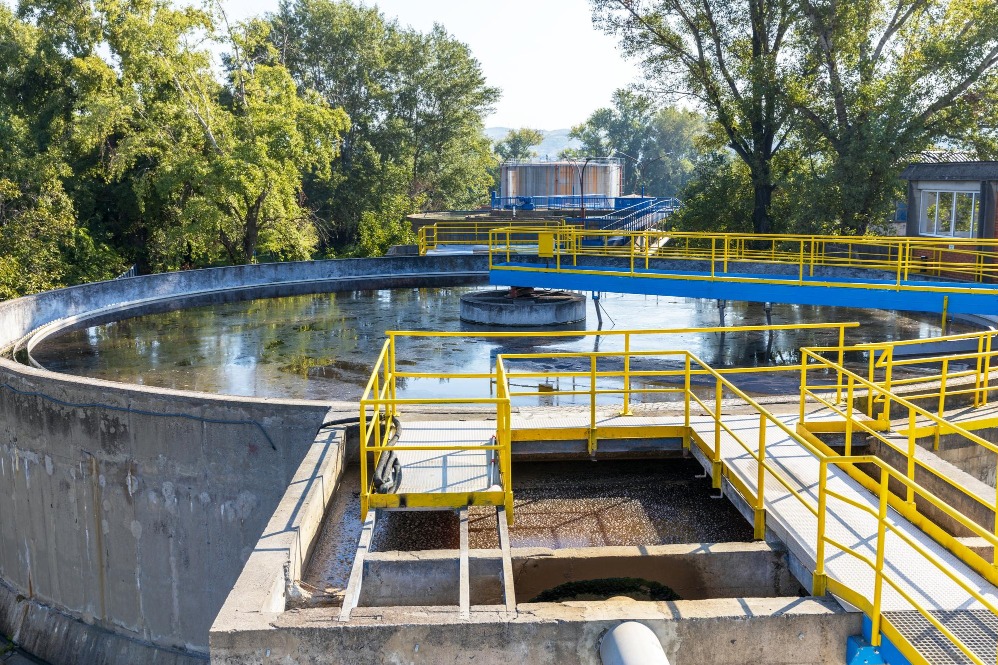
Water management has become an important operational concern for apartments, hotels, hospitals, institutions, commercial buildings, and industrial facilities. A properly designed STP Sewage Treatment Plant provides a systematic way to treat sewage before it is reused or discharged.
In Bangalore, where large residential and commercial developments can generate substantial quantities of wastewater every day, sewage treatment is an important part of responsible facility planning.
What Does an STP Do?
An STP treats wastewater generated from toilets, bathrooms, kitchens, wash areas, and other domestic sources. Untreated sewage contains suspended solids, organic matter, microorganisms, nutrients, and other contaminants that need to be reduced before the water can be safely managed.
Treatment generally involves several stages.
Preliminary treatment removes larger materials that could interfere with pumps and downstream equipment.
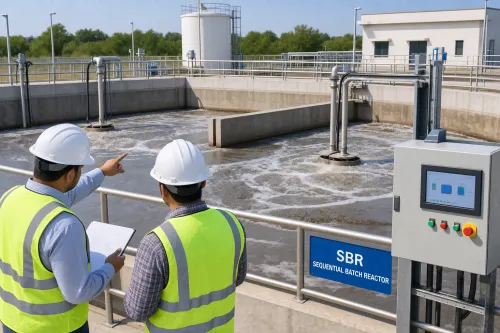
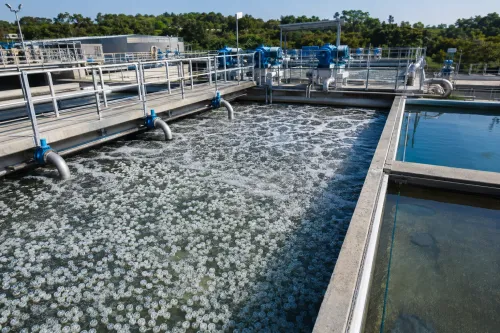
Biological treatment uses microorganisms to break down biodegradable organic matter.
Clarification separates treated water from biological solids.
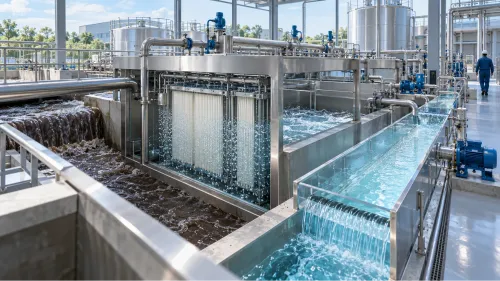
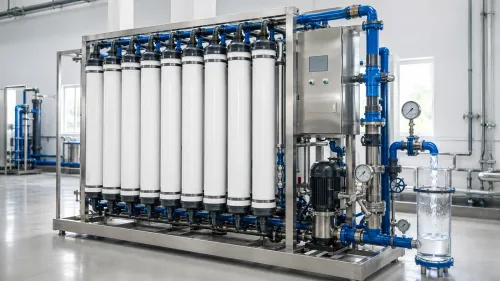
Tertiary treatment may include filtration and disinfection depending on the intended reuse or discharge requirement.
Why Treatment Quality Depends on Design
An STP cannot be selected only according to the size of a property. The amount and characteristics of wastewater must also be considered.
Important factors include:
- Daily sewage generation
- Peak wastewater flow
- Organic loading
- Available installation space
- Treated-water quality requirements
- Intended reuse application
- Energy consumption
- Sludge management
- Ease of operation
A plant that is incorrectly sized may experience unstable treatment performance, excessive energy consumption, odour issues, or maintenance difficulties.
Where Can Treated Sewage Be Reused?
Depending on treatment quality and applicable requirements, treated wastewater may be considered for suitable non-potable applications such as landscaping, flushing, gardening, or certain utility purposes.
Reuse can reduce dependence on freshwater for activities that do not necessarily require potable-quality water.
For large properties in Bangalore, this can make an STP part of a broader water conservation strategy rather than simply a wastewater disposal system.
Regular Operation Matters
Even a well-designed plant requires proper operation.
Operators should monitor parameters relevant to the treatment process, inspect pumps and aeration equipment, maintain filters, remove sludge appropriately, and identify unusual changes in wastewater characteristics.
Odour, excessive foaming, abnormal sludge behaviour, or deterioration in treated-water quality can indicate that the biological process or equipment requires attention.
Planning for Long-Term Performance
Before implementing an STP, facility teams should evaluate wastewater quantity, treatment objectives, available space, automation requirements, operating skills, and future expansion.
Daksha Greentech provides water and wastewater treatment solutions for different property and operational requirements in Bangalore. A technically appropriate STP should ultimately balance treatment performance, practical operation, water reuse potential, and long-term maintainability.
When sewage treatment is planned as part of the overall water-management system, facilities can manage wastewater more responsibly while creating opportunities to recover water for appropriate secondary uses.