Industrial wastewater is rarely identical from one facility to another. Its composition depends on raw materials, manufacturing processes, cleaning activities, chemicals, production volumes, and operating practices. This is why an ETP Effluent Treatment Plant needs to be designed around the actual characteristics of the effluent.
For industries operating in and around Bangalore, understanding this distinction is essential before selecting a treatment process.
Why Industrial Effluent Needs Specialized Treatment
Unlike typical domestic sewage, industrial wastewater may contain varying concentrations of:
- Suspended solids
- Oils and grease
- Dissolved contaminants
- Organic matter
- Acids or alkalis
- Process chemicals
- Colour
- Metals
- High chemical oxygen demand
The treatment process therefore needs to address the contaminants associated with the particular operation.
What Happens Inside an ETP?
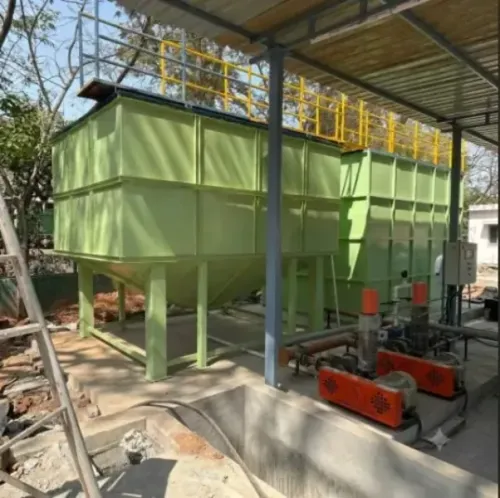
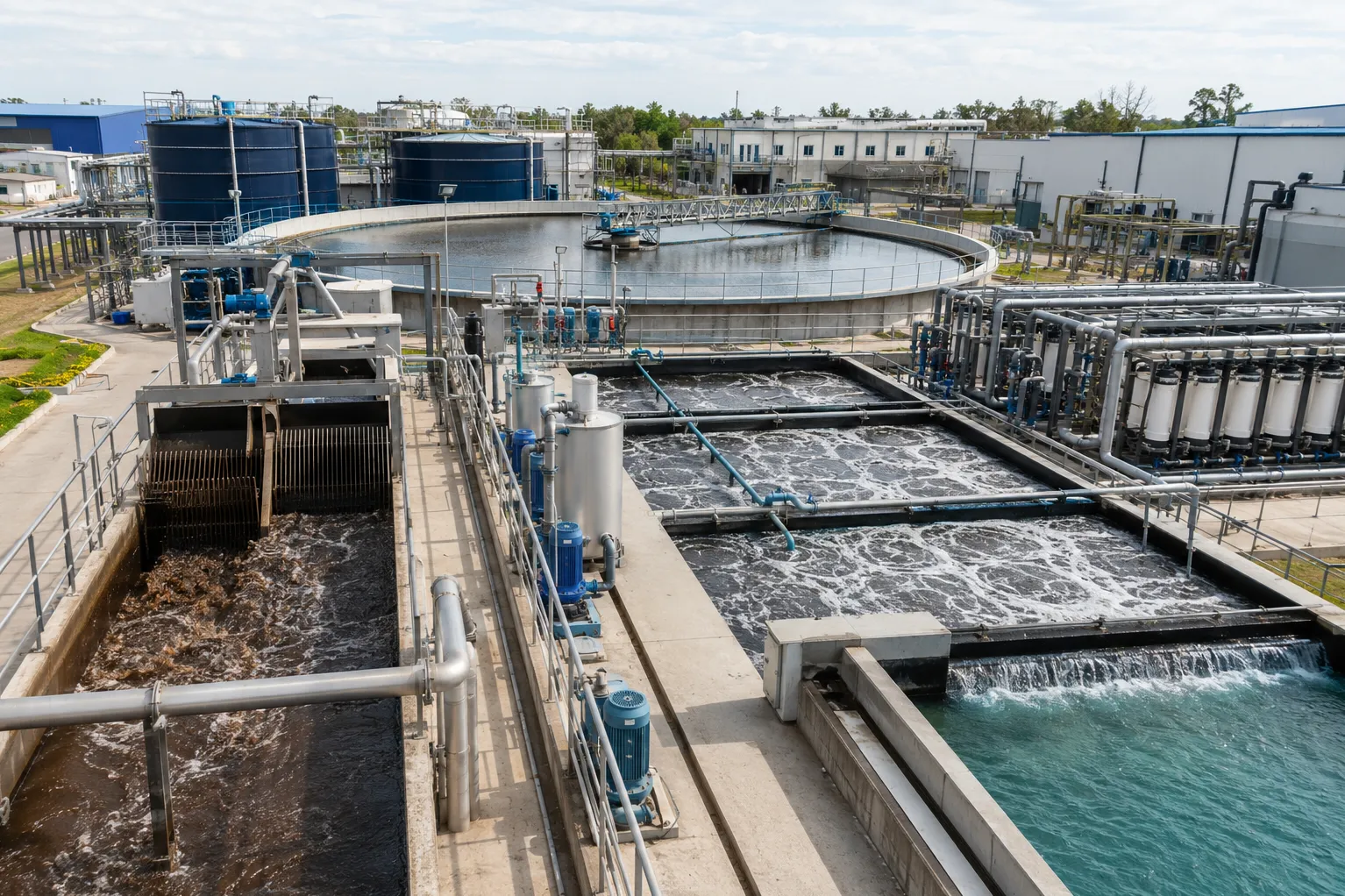
The exact sequence varies, but treatment may begin with collection and equalization. Equalization helps balance variations in wastewater flow and contaminant concentration.
The next stages can involve pH adjustment, chemical treatment, coagulation, flocculation, clarification, biological treatment, filtration, or other processes depending on wastewater characteristics.
Sludge generated during treatment must also be handled appropriately.
Testing Comes Before Technology Selection
One common mistake is selecting an ETP technology before properly understanding the wastewater.
A representative wastewater analysis can help determine parameters such as pH, total suspended solids, biochemical oxygen demand, chemical oxygen demand, oil and grease, and other industry-specific contaminants.
These results influence process selection, chemical consumption, equipment sizing, and expected treatment performance.
Why Flow Variation Matters
A factory may not discharge the same amount of wastewater every hour.
Production schedules, batch processing, cleaning cycles, shutdowns, and seasonal demand can cause significant fluctuations. Designing solely around an average figure may therefore create operational difficulties.
Equalization capacity and realistic peak-load calculations are important parts of ETP planning.
Operational Control Cannot Be Ignored
Industrial treatment systems require ongoing attention.
Operators may need to monitor:
- pH levels
- Chemical dosing
- Flow rates
- Sludge formation
- Biological process conditions
- Filter performance
- Treated-water parameters
Unexpected changes in the manufacturing process can also change wastewater characteristics.
Building an ETP Around the Facility
Space availability, automation, operating costs, sludge handling, future production capacity, and treated-water objectives should all influence system design.
For Bangalore industries evaluating wastewater infrastructure, Daksha Greentech can assess these factors while developing an appropriate treatment approach.
The most effective ETP is not necessarily the system with the largest number of treatment stages. It is the one designed around the actual effluent characteristics and operated consistently.
Understanding the wastewater first allows industries to make better decisions about treatment technology, capacity, chemicals, equipment, and long-term operation.
Keywords