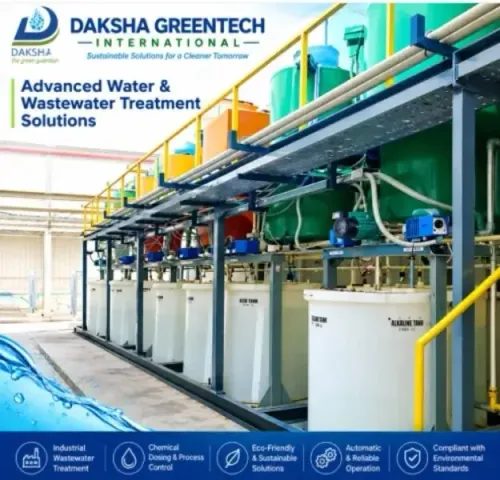
Chemical treatment depends on consistency. Whether a facility is adjusting pH, adding disinfectant, dosing coagulant, or protecting a membrane system, inaccurate chemical addition can affect treatment performance and operating costs. Chemical Dosers provide controlled delivery of treatment chemicals according to the needs of the process.
Choosing the correct dosing arrangement requires more than matching a pump to a storage tank.
Define the Chemical First
Different chemicals have different properties.
Before selecting dosing equipment, determine:
- Chemical name
- Concentration
- Required dosage
- Daily consumption
- Viscosity
- Compatibility with pump materials
- Operating temperature
- Required dosing pressure
Material compatibility is particularly important because incompatible chemicals can damage seals, tubing, diaphragms, valves, or other components.
Calculate the Required Dosing Rate
The dosing pump should operate comfortably within the required range.
Selecting a pump that is far larger than necessary can make precise low-rate dosing difficult. An undersized pump may be unable to meet peak requirements.
Dosage calculations should account for water flow, chemical strength, required treatment concentration, and expected variation.
Manual Dosing Is Not Always Enough
Some treatment processes operate under relatively stable conditions, while others change continuously.
Depending on the application, dosing can be controlled using signals from:
- Flow meters
- pH sensors
- ORP instruments
- Conductivity meters
- Level switches
- Process controllers
Automation can improve consistency when the dosing requirement changes with flow or water conditions.
Check the Supporting Equipment
A complete dosing system may require more than the dosing pump itself.
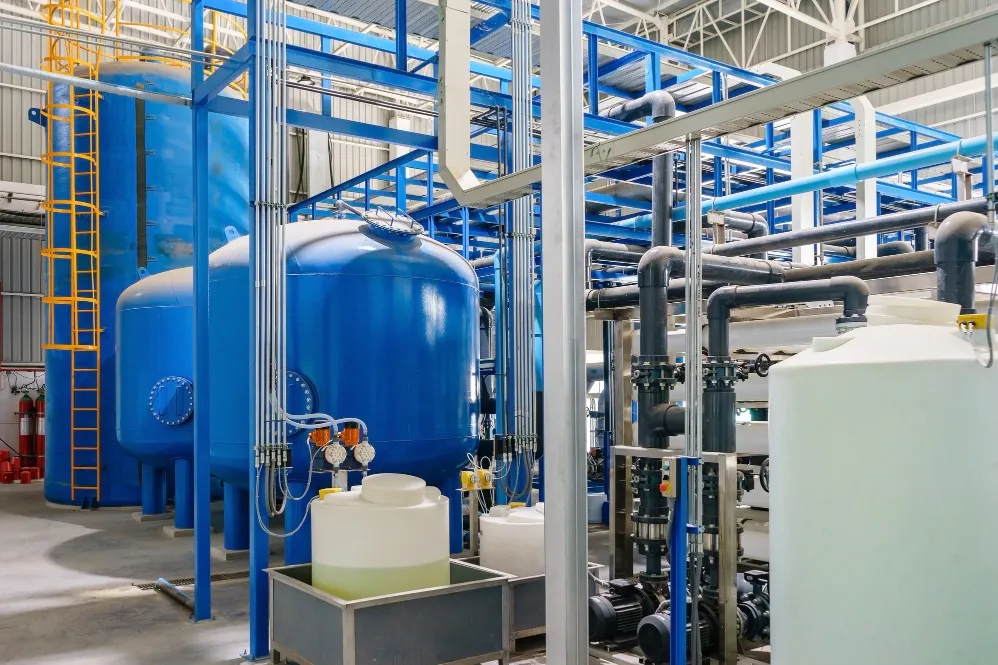
Depending on the chemical and process, the installation can include:
- Chemical storage tank
- Agitator
- Calibration column
- Injection valve
- Foot valve
- Pressure relief arrangement
- Pulsation control
- Level indication
- Control panel
- Instrumentation
These components should be considered when comparing proposals.
Maintenance Accessibility Matters
Dosing equipment needs periodic inspection.
Operators may need to clean injection points, check valves, inspect diaphragms, verify calibration, refill chemicals, and troubleshoot loss of dosing.
The system should therefore be installed where these tasks can be performed safely and conveniently.
Choose According to the Treatment Process
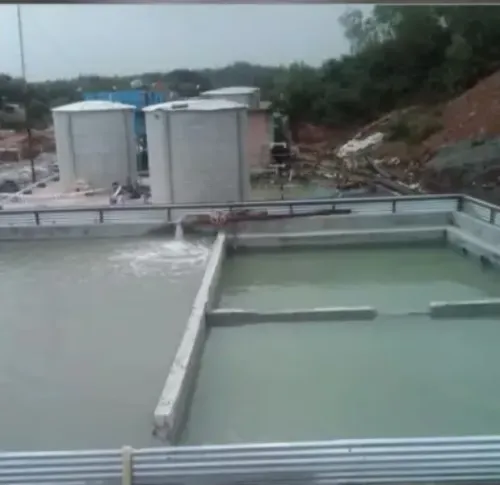
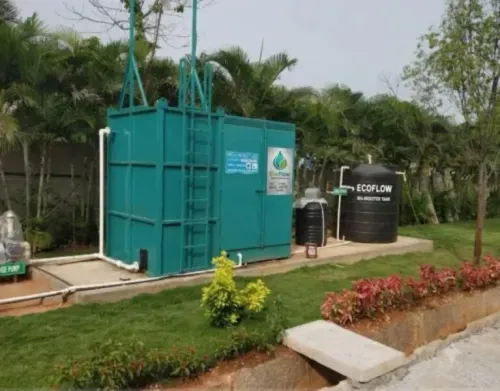
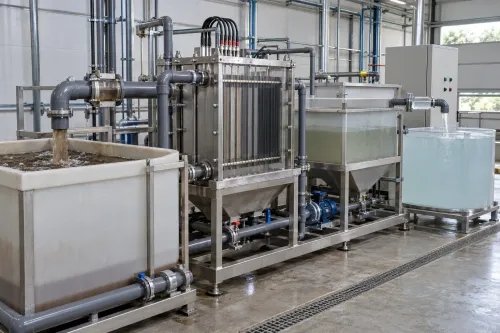
A dosing system used for an RO plant can have different requirements from one used in an ETP or WTP. Chemical characteristics, process pressure, control philosophy, and required accuracy all influence equipment selection.
Daksha Greentech provides water and wastewater treatment solutions for industrial, commercial, institutional, and other facilities in Bangalore. For chemical dosing applications, equipment selection should be connected directly to the treatment process rather than treated as an independent accessory.
Accurate chemical dosing can improve process stability, control chemical consumption, and reduce the risk of treatment inconsistency. The best system is one that provides the required accuracy while remaining safe, accessible, compatible with the chemical, and practical for operators to maintain.
Keywords