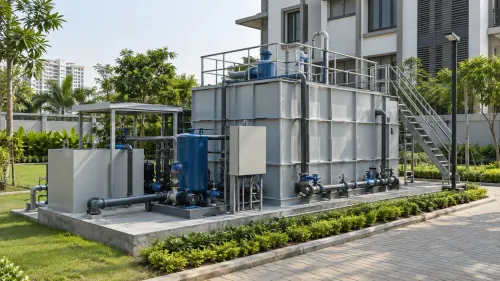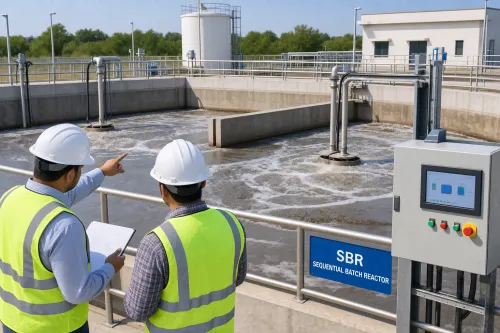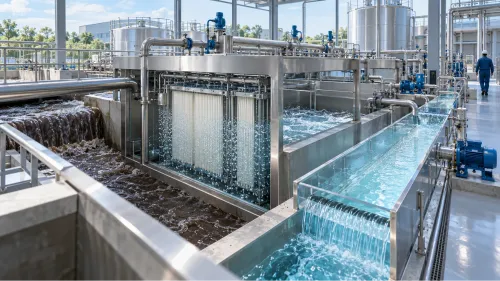


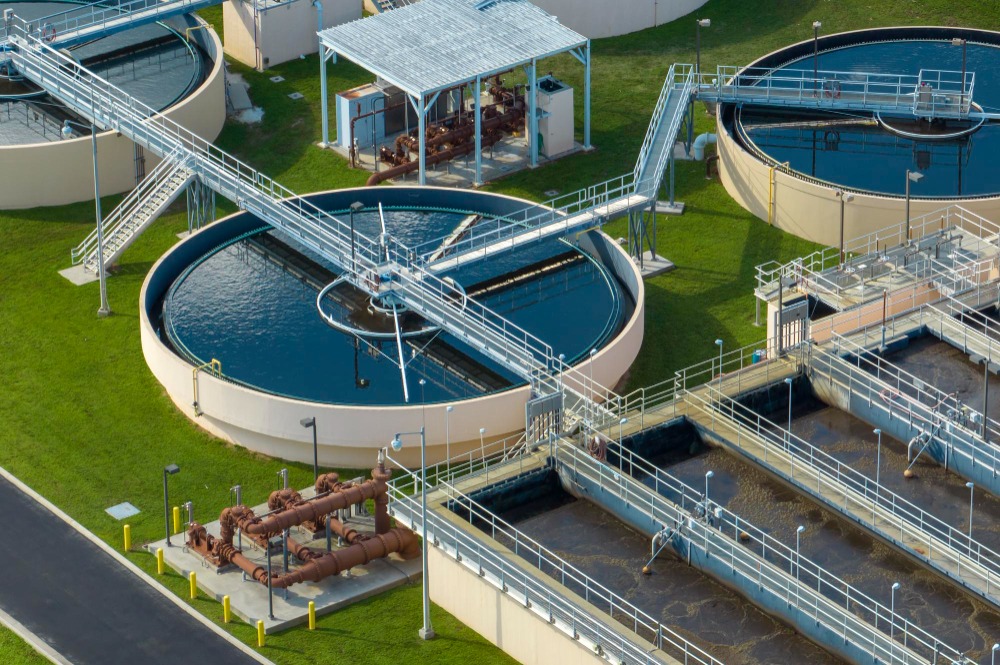
Mechanical equipment receives much of the attention in water treatment, but chemical treatment can be equally important. Correctly selected Water Treatment Chemicals can support coagulation, pH adjustment, disinfection, membrane protection, scale control, and other processes.
The key word is correctly. Chemical selection should be based on water characteristics and treatment objectives rather than routine dosing without verification.
Different Chemicals Perform Different Jobs
Depending on the treatment process, facilities may use chemicals for:
- Coagulation
- Flocculation
- pH correction
- Disinfection
- Scale control
- Membrane protection
- Cleaning
- Sludge conditioning
Each chemical should have a defined purpose within the treatment process.
More Chemical Does Not Mean Better Treatment
Overdosing can increase operating expenses and may create downstream treatment problems. Underdosing can result in inadequate treatment.
The appropriate dosage can depend on water quality, flow, contaminant concentration, temperature, pH, and process conditions.
This is why chemical dosing should be treated as a controlled operational parameter.
Storage Requires Attention
Chemical management begins before dosing.
Storage areas should be planned around chemical compatibility, safe handling, ventilation, spill containment, labeling, and access requirements.
Operators should follow the relevant safety data and handling procedures for each chemical used at the facility.
Monitor Changes in Raw Water
A dosage that worked previously may not remain optimal if incoming water characteristics change.
Seasonal variation, source changes, industrial production changes, or fluctuations in wastewater strength can alter treatment requirements.
Regular monitoring helps operators adjust treatment appropriately rather than continuing a fixed dose indefinitely.
Consider the Entire Treatment Process
Chemical selection should not be isolated from equipment design.
For example, coagulation performance can influence clarification and filtration. Antiscalant selection can influence RO membrane performance. pH adjustment can affect biological treatment and precipitation processes.
Understanding these relationships helps prevent one treatment stage from creating problems in another.
Choosing Technical Support
Organizations purchasing treatment chemicals should evaluate more than price per kilogram or litre.
Useful questions include whether the supplier understands the treatment process, can interpret water-analysis data, can recommend appropriate dosing methods, and can support troubleshooting when plant conditions change.
Daksha Greentech works with water and wastewater treatment requirements in Bangalore where chemical treatment may form part of a larger process solution.
The objective should always be stable treatment at an appropriate dosage. Chemicals are tools within the treatment process, and their value depends on correct selection, controlled application, safe handling, and regular performance monitoring.